
Mobula Ray Migration Freediving Retreat
The Experience
About This Expedition
Couple your freediving training with one of nature’s most spectacular events: the mobula ray migration in Baja California Sur.
Mornings begin with sunrise mobility training, days are filled with adventure, and evenings with barbecues, sunset sessions, and educational talks and workshops, and breathwork.
Between ocean sea safari and dive sessions, relax beachside and enjoy private chef-prepared meals.
This is a powerful way to complete your Level 1 freediving course or receive custom freediving coaching.
What's Included
Package Details
Included
- 6 nights, dual occupancy rooms
- All meals and refreshments, including private chef and restaurant dinners, too many snacks (vegan/vegetarian avail upon request)
- 5 full days of ocean seafari
- PFI Level 1 Freediving course or custom freediving training plan
- Static breathhold workshop & coaching
- Dynamic apnea clinic
- Two depth training sessions
- Morning mobility training & Evening breathwork
- Freediving weights (lead)
- Online training materials available ahead of expedition. (Online Equalization support materials also available)
- Desert sunset hike with herpetologist & naturalist
- Crew swag!
- High-res trip photos (above and underwater), delivered in client gallery hosted online by WildTide Crew
Not Included
- Flights to/from La Paz, B.C.S.
- Travel or Dive insurance (required)
- Freediving equipment (wetsuit, mask, fins, belt all available for rental)
- Tips for captains
- Alcohol


Target Species
Wildlife You Can Encounter

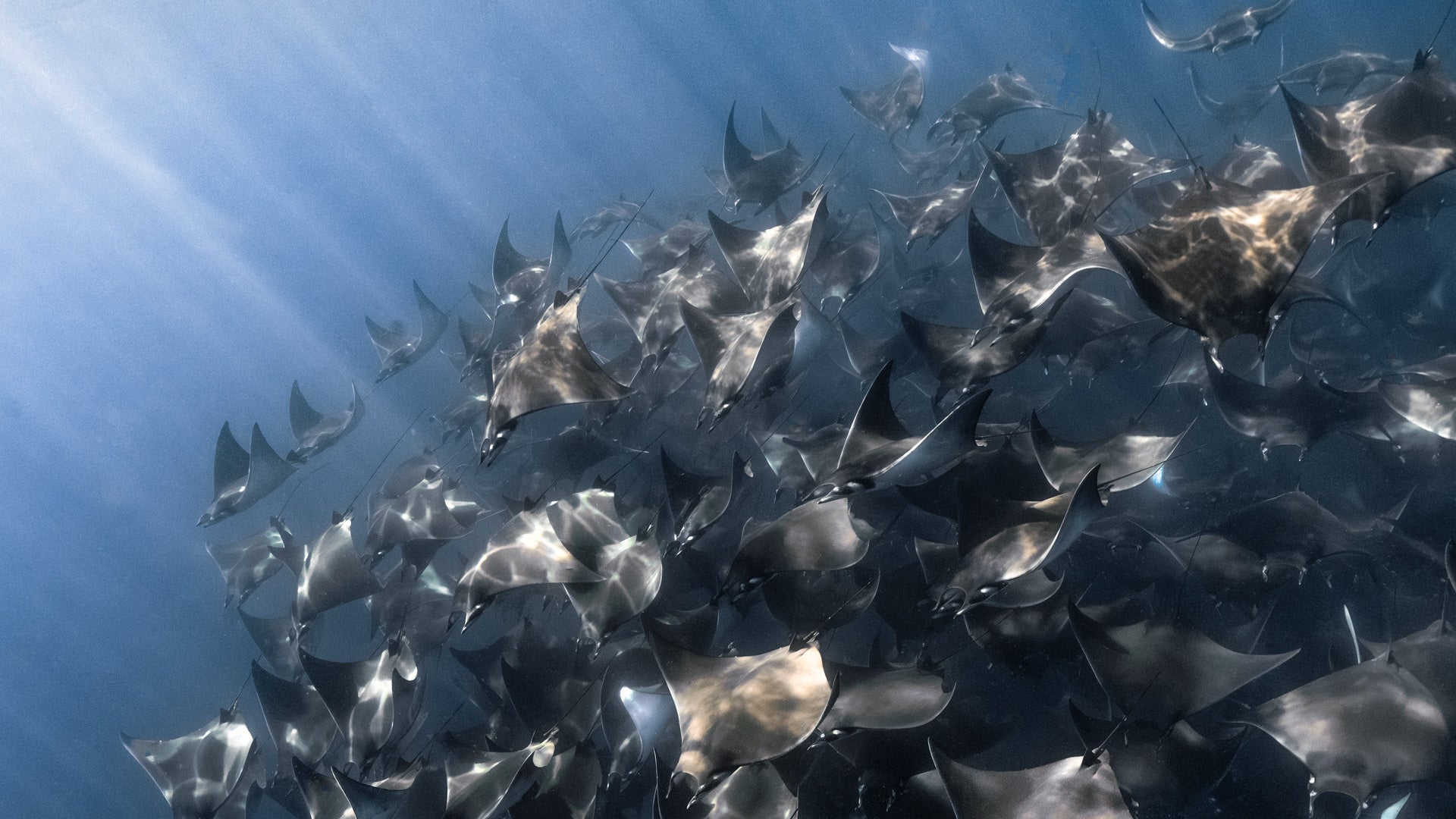
Mobula Rays
Locally known as “tortillas” for the sound they make when they hit the water, it's the peak season for mobula rays migrating through La Ventana.

Sea Lions
California sea lions are abundant in the region.

Sea Lions
Common, bottlenose dolphins, and spinner dolphins are among the dolphin species frequently encounters in the Sea of Cortez.

Oceanic Manta Rays
June-july is the time when oceanic mantas come to grace the waters around la ventana.

Whales
The Sea of Cortez is epic for whale encounters. From breaching humpbacks to massive blue whales, dozens of species pass through these waters, creating unforgettable experiences for every visitor.

Orca
Orcas have become a highly sought-after sight, but we approach these encounters with care and the proper certification. If you’re hoping to see orcas, please be realistic: they’re just one of many species in the region and sightings cannot be guaranteed.

Whale Sharks
Whale sharks are not uncommon in the waters of the Sea of Cortez
Day by Day
Your Itinerary
Day 1 - Arrival
Arrive at La Paz airport where you'll be met and transferred to La Ventana. The evening opens with a shared welcome and a short introduction to the region, the local fishing culture, and the journey ahead. We end the day with gentle yin yoga and restorative practices designed to calm the nervous system and support your freediving.
Day 2 - First Encounters & Freediving Beginnings
Start the day with sunrise full-body mobility, then head out on your first Sea Safari—learning to move, observe, and interact with the ocean. Then afternoon freediving workshops cover equalization, safety, and mental training. The day closes with specialized breathwork for heart-rate coherence and gentle stretching to unwind the nervous system.
Day 3 - Ocean Skills and Mental Mastery
A short sunrise mobility session focuses on upper body openness and breath mechanics. After a very light snack, we move into static breath and dynamic apnea training to build awareness and calm. The afternoon includes ocean line training and a second seafari that goes through sunset. Dinner is shared at the house, with an evening workshop on mental mastery in freediving and how mindset shapes performance and presence in the water.
Day 3 - Adventure Day
A full day dedicated to exploration, by land and sea. Spend the day on an extended ocean sea safari with lunch on Cerralvo Island, followed by a guided island hike guided by a reptile expert & naturalist. Return to the house for chef-prepared dinner and a relaxed evening together.
Day 5 - Exploration & Learning
The morning begins with mobility (lower body focused for flow in the water) and breath focused preparation, followed by line training and ocean sea-safari. Dinner is shared at the house, followed by an evening conservation talk exploring the ecosystems you have been moving through.
Day 6 - Celebrating the Journey
Say goodbye to the week with a farewell dinner at a local hotspot where the energy is immaculate, the food is amazing, and the night is as full of life as the ocean you’ve explored.
Day 7 Goodbyes
We say good bye, and enjoy a final breakfast together, and you are transported from la ventana back to La Paz international airpot.
Your Vessel
On the Water
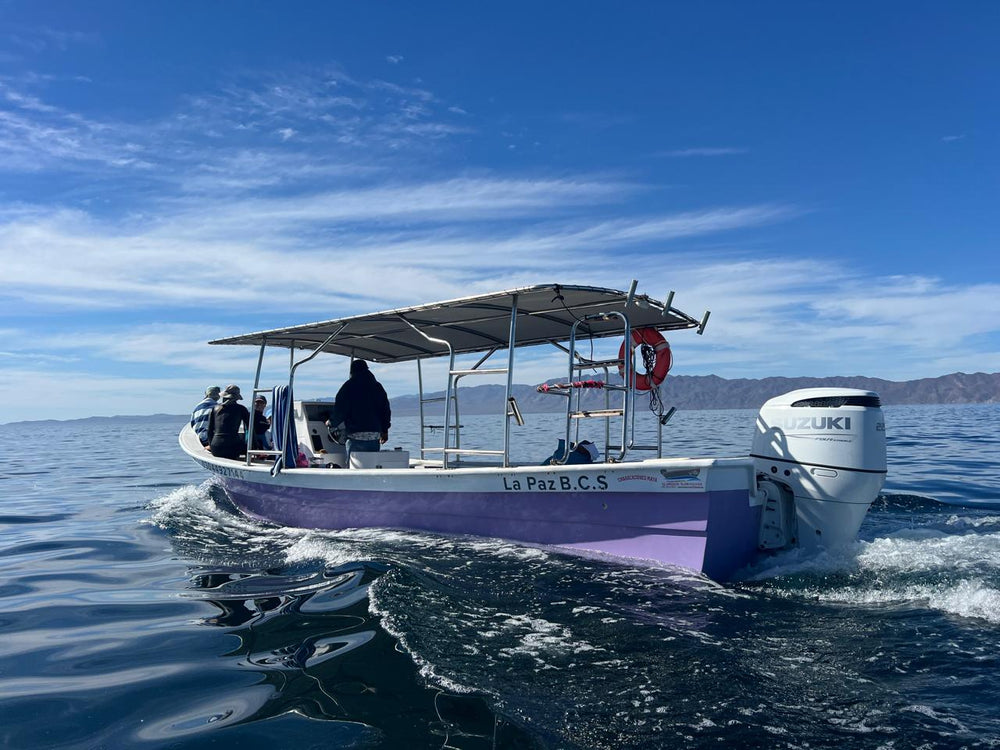
New, spacious, comfortable, and built for freedivers. Our purpose-built panga boats are ideal for blue water encounters. Fast, stable, and designed for quick entries, they allow us to maximize our time with wildlife.


Available Dates
Choose Your Dates
May 31, 2026 - Jun 6, 2026
AvailableGallery
Moments From the Field


Support
Frequently Asked Questions
What if I'm already freediving certified?
if you are already a certified freediver, you won’t be repeating a beginner course unless you want to.
If you’re already certified, we build on your current level with more advanced coaching, technique refinement, and deeper or more efficient diving. You’ll still participate in guided training sessions, but they’re tailored to where you are.
The focus shifts toward progression and refinement, comfort in open water, and applying your skills during real wildlife encounters.
There is always a progress to be made that will open doors for your.
What exactly is a freediving retreat?
A freediving retreat is a tailored experience that combines freediving training, ocean exploration, and a travel-style group trip.
It typically includes guided instruction (like breathwork, equalization, and depth training), in-water sessions with safety support, and time spent exploring marine environments.
Our freediving retreats blend skill development with adventure so you’re not just learning to dive deeper, you’re applying those skills in real ocean settings.
Our freediving retreats also include accommodation, meals, and a curated itinerary, creating a focused environment where you can improve your diving while being immersed in the ocean for several days.
What other marine life might I see during the mobula migration?
In addition to mobula rays, you may encounter a wide range of marine life depending on conditions. Common sightings include dolphins, sea lions, whales, sharks.
The sea of cortez is incredibly dynamic, so each day on the water can bring something different.
Am I going to see only mobula rays? What other types of rays are possible to see?
The Sea of Cortez is magic. While the munk's munkiana mobulas are the main highlight during the migration, it's absolutely possible to see other species of rays, such as mobula mobular, oceanic manta rays, spinetail devil rays, and cownose rays, depending on conditions.
Can I freedive with mobulas during the mobula migration?
This is very situation dependent. Mobula rays are creatures that are easily startled.... even a passing turtle can make them scatter! We want to make sure they dont use too much energy.
It’s very common for mobulas to swim to deeper water and disappear if they feel threatened. our expert guide will always assess their behavior before allowing any freediving.
if the mobulas appear comfortable and the guide determines it’s appropriate, you’ll be briefed on the correct practices before entering the water. if those guidelines aren’t followed and the mobulas show signs of stress, we’ll stop freediving and continue with snorkeling only.
How long do mobula ray ocean expeditions last?
Our ocean expeditions / sea safari days last 6–8 hours on the water. we use comfortable, well-equipped boats and provide snacks and water so you stay energized throughout the day.
Can I swim with mobula rays?
Absolutely! When conditions allow.
We often have the opportunity to enter the water with mobula rays during their migration. Encounters are done in small, controlled groups with a strong focus on safety and minimizing disturbance to the animals.
That said, it’s not guaranteed every day. Mobula behavior, weather, and ocean conditions all determine whether in-water interactions are appropriate. When it is possible, we prioritize calm, respectful entries so you can experience them on their terms.
What wildlife sighting are guaratneed?
Wildlife sightings are never guaranteed.
Mobula rays are highly likely during peak season, but conditions, migration patterns, and ocean variability always play a role. Every trip is planned to maximize opportunities, but no specific species or behavior can be promised. This same principle applies to other charismatic species such as orcas or manta rays.
When is the best time to experience the mobula migration?
The best time to experience the Mobula Migration in Baja is from late April to early July, with peak numbers from mid-May to early June. During this period, mobulas are often seen leaping in large groups. Water visibility tends to improve starting in June. June is when oceanic mantas start to arrive in La Ventan
What experience level is required?
This trip is suited for people comfortable swimming in open ocean. You do NOT have to be a freediver to join as we will give you the skills to improve your water confidence and ability to enjoy the oceans.
What if conditions aren't ideal?
Our experienced guides will adapt plans to give you the best possible encounters based on conditions.
Is travel insurance required?
Yes, comprehensive travel insurance including trip cancellation and emergency evacuation is required.